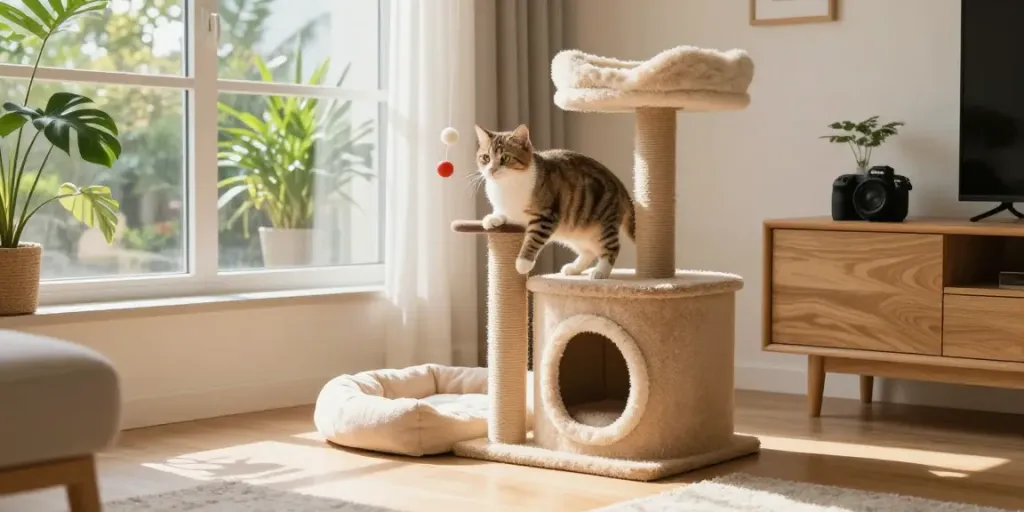
Understanding the Importance of Cat Trees
Cat trees serve as essential playgrounds for our feline companions, offering a space for climbing, scratching, and lounging—all critical activities for their physical and mental well-being. As a cat owner, investing in cat trees can significantly enhance your pet's quality of life, creating an environment that fosters natural instincts and behaviours. Whether you have a curious kitten or a senior cat, there’s a cat tree that can meet their specific needs and preferences.
What Are Cat Trees and How Do They Benefit Cats?
Cat trees are multi-level structures designed to mimic the climbing opportunities found in nature. They usually include platforms, scratching posts, and sometimes even enclosed spaces for hiding or sleeping. The benefits of these structures are multifaceted:
- Physical Exercise: Cats require regular activity to maintain a healthy weight and muscle tone. Cat trees encourage play and physical exploration.
- Scratching Opportunities: A good cat tree provides designated scratching surfaces, reducing the likelihood of cats scratching furniture or carpets.
- Stress Relief: Climbing can help alleviate anxiety, providing a safe space for cats to retreat and observe their environment from a vantage point.
The Role of Cat Trees in Feline Behaviour and Health
Studies suggest that feline behaviour is deeply influenced by their environment. A well-designed cat tree can cater to various instincts:
- Territorial Marking: Cats often scratch to mark their territory. Providing a scratching post that's part of a cat tree can satisfy this natural behaviour.
- Playful Engagement: Cat trees can encourage interactive play, aiding in mental stimulation and reducing boredom.
- Aiding Socialisation: For multi-cat households, cat trees can facilitate social interactions, allowing cats to engage with each other in a safe manner.
Common Misconceptions About Cat Trees
Despite their popularity, misconceptions about cat trees abound. A common belief is that only indoor cats benefit from such structures. In reality, even outdoor cats can benefit from having a dedicated space to scratch and climb while indoors. Another misconception is that all cat trees are bulky and unattractive. Many modern designs feature sleek aesthetics that integrate seamlessly with home décor.
Types of Cat Trees Available in 2026
The market for cat trees has evolved significantly, with various styles and functionalities to suit different feline personalities and household needs.
Modern vs. Traditional Cat Tree Designs
When considering a cat tree, it's essential to understand the difference between traditional and modern designs:
- Traditional Cat Trees: Often large and made of carpet-covered wood, these structures focus on functionality. They may feature numerous levels and scratching posts but can take up substantial floor space.
- Modern Cat Trees: These tend to be more stylish, incorporating materials like wood and metal with minimalistic designs. They often serve dual purposes, functioning as both cat furniture and artistic home décor.
Size Matters: Choosing the Right Cat Tree for Your Space
Before purchasing a cat tree, assess the available space in your home. Larger cat trees can provide more opportunities for play and rest, while smaller options can be a great fit for compact living areas. It's crucial to consider:
- Height: Ensure the tree suits the height preferences of your cat; some enjoy climbing higher than others.
- Footprint: Measure the floor space to avoid overcrowding your room while ensuring your cat has adequate space to explore.
Features to Look For: Scratching Posts, Levels, and Materials
Features of cat trees can vary widely. Key elements to consider include:
- Scratching Posts: Look for durable materials such as sisal, which is excellent for cats' claws.
- Levels and Platforms: Ensure there are enough levels for climbing and resting, as both activities are essential for feline happiness.
- Materials: Opt for quality materials that can withstand wear and tear and provide stability for active cats.
Best Practices for Choosing Cat Trees
Selecting the perfect cat tree requires careful consideration of various factors that align with your cat’s needs as well as your living situation.
Factors to Consider: Weight, Height, and Stability
It’s critical to understand your cat’s breed and size when choosing a cat tree:
- Weight Capacity: Ensure the cat tree can support your cat's weight, especially if you have a larger breed.
- Height and Stability: The taller the tree, the more stability it must have to prevent tipping over during active play.
How to Match Cat Trees with Your Home Décor
Integrating a cat tree into your home doesn’t have to be challenging. Modern designs often consider aesthetics:
- Colour Schemes: Choose colours that complement your existing furniture.
- Style Harmony: Opt for a design that matches your home’s overall style—be it minimalist, industrial, or rustic.
Cost vs. Quality: What to Look For
Investing in a cat tree can range from budget-friendly to high-end. Understand the balance between cost and quality:
- Durability: Cheaper models may use lower-quality materials which could wear out quickly. Look for sturdy construction that can withstand years of use.
- Warranty: A good warranty can indicate the manufacturer’s confidence in their product. Opt for brands that offer guarantees for structural integrity.
Innovative Cat Tree Designs in the Market
The cat tree industry continues to innovate, developing products that are not just functional but also interactive and sustainable.
Trends in Cat Tree Manufacturing for 2026
As we move through 2026, here are some trends shaping the future of cat trees:
- Customisation: Many brands offer custom-sized cat trees to fit unique spaces according to customer specifications.
- Multi-Functional Designs: Cat trees that serve as furniture and hideaways, combining practicality and aesthetics, are gaining popularity.
Eco-Friendly Materials and Their Benefits
Environmentally conscious consumers are driving demand for cat trees made from sustainable materials. Options include:
- Recycled Materials: Using recycled wood and fabrics reduces waste and is often just as durable as traditional materials.
- Non-Toxic Finishes: Ensure any finishes used are non-toxic to keep your pets safe from harmful chemicals.
Smart Cat Trees: The Future of Pet Furniture
With the advent of technology, smart cat trees are emerging. These may include:
- Interactive Features: Some designs are equipped with toys that move on their own, encouraging active play.
- Health Monitoring: Future designs may incorporate features that track playtime and health metrics, providing insights into your cat’s behaviour.
Frequently Asked Questions About Cat Trees
What is the best brand of cat tree?
Brands vary widely in quality and design. Consider popular names in the market that offer warranties and positive customer reviews.
Are cat trees suitable for older cats?
Yes, there are cat trees designed specifically for older or disabled cats that are lower to the ground with gentle ramps and soft resting areas.
How do I maintain my cat tree?
Regularly vacuum your cat tree to remove hair and debris. Check for any loose parts and tighten them as needed to ensure stability.
Can cat trees help with behavioural issues?
Yes, providing a cat tree can help alleviate boredom, encourage play, and reduce anxiety, which can lead to improved behaviour.
Where to buy quality cat trees?
Quality cat trees can be found both online and in specialty pet stores. Researching reviews and comparisons can help you make an informed choice.